Spot changesin asymmetry.
Compare left-right load across sessions to spot changes under training load.
Discuss injury prevention
 Request a demo
Your team deserves a clearer picture.
Foot-level performance intelligence.
Each leg. Every session.



150K+
Athletes measured
250M+
Steps processed
400B+
Data points captured
At the foot.At the source.
Connected insoles capture three-axis load independently for each leg.
After training, one view for coaching and medical staff.
Left / right load
Illustrative session
Compare left-right load across sessions to spot changes under training load.
Discuss injury preventionCompare running, sprinting and jumping against the athlete’s own baseline.
Discuss performanceCompare recovery with the athlete’s pre-injury movement signature.
Discuss return to play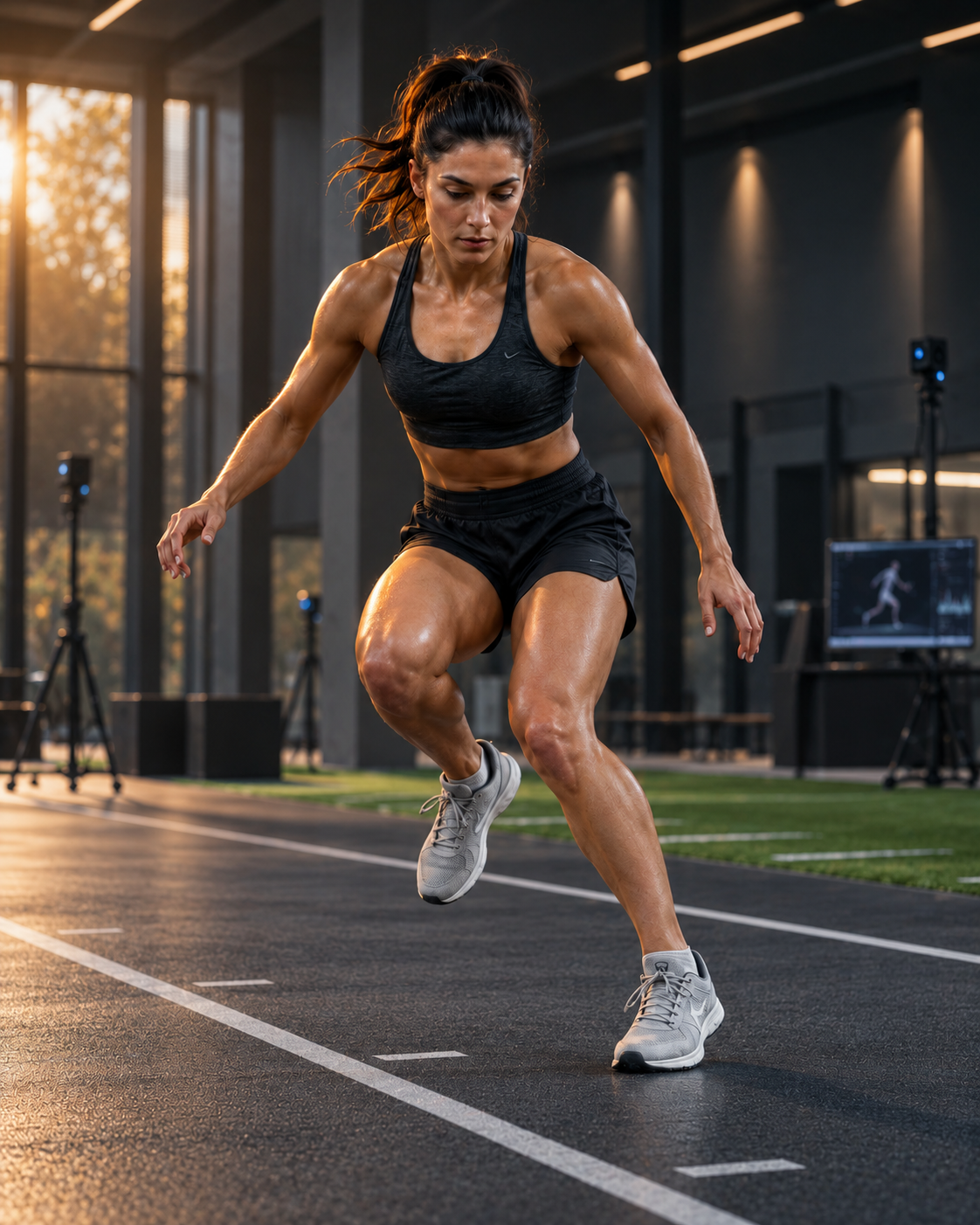
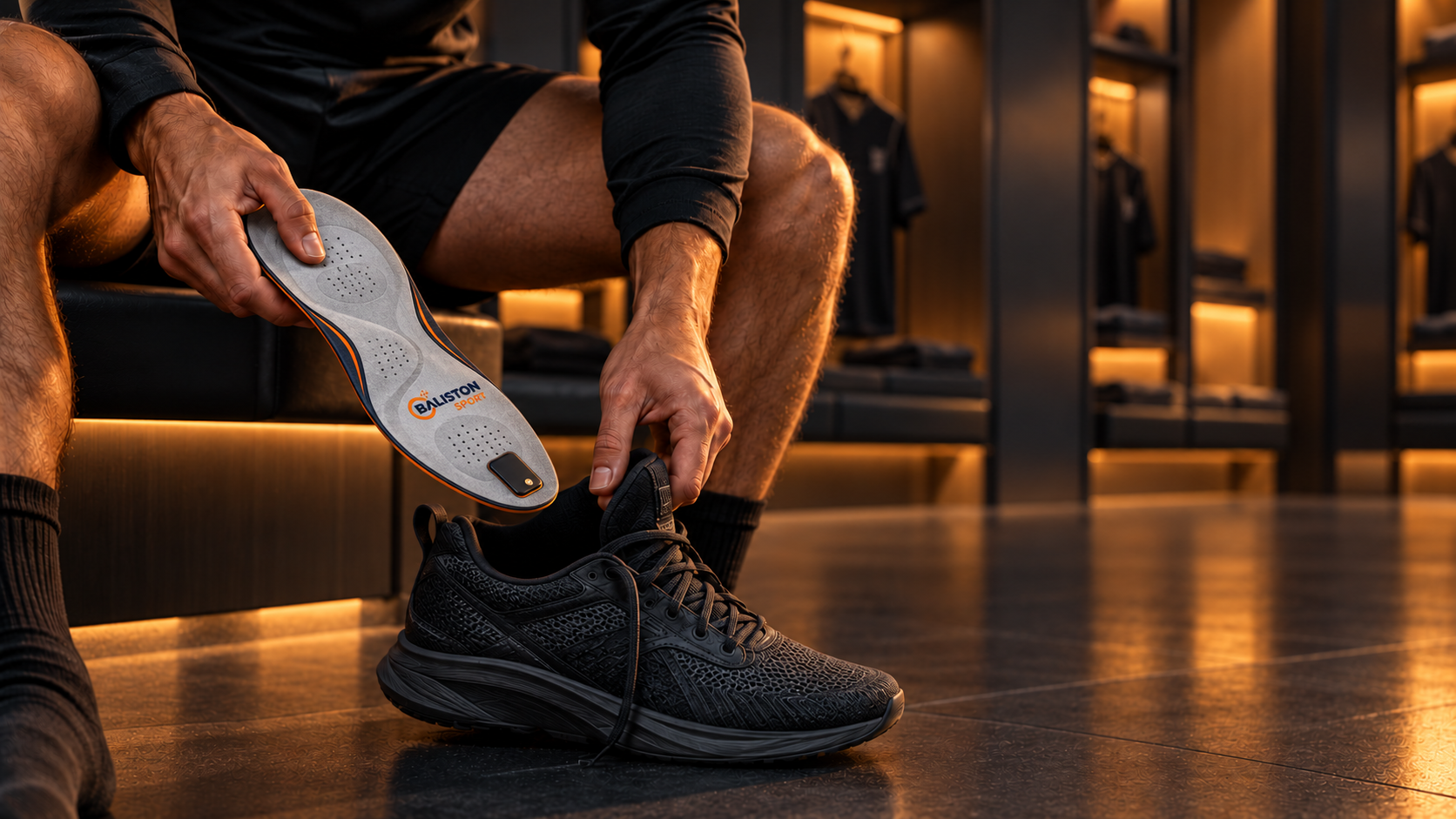
Running. Sprinting. Jumping.
Three-axis load, captured independently for each leg. Under real training load.
A signal is the starting point.
Understanding what changed is the next step.
Independent capture · at each foot
Higher right-side load
Connected insoles capture three-axis load, independently for each leg.
30+ biomechanical parameters.
See it with your teamBaliston Intelligence
Ask in plain language. Turn session data into clear findings and next steps for your staff.
Who is moving outside their usual load pattern this week?
One athlete’s recent sessions show higher right-side load than their usual pattern. Check training exposure and athlete feedback alongside this change.
Recent sessions · Individual baseline · Left-right load
Prepare a load review for the coaching and medical staff.
How does this athlete’s recovery compare with their pre-injury movement?
The latest return-to-run session shows a loading pattern closer to the pre-injury reference. Compare equivalent drills and review how the athlete responded.
Return-to-run session · Pre-injury reference · Asymmetry trend
Bring the comparison to the return-to-play discussion.
Draft a post-session brief for the coaching and medical staff.
The draft highlights the change against the athlete’s baseline, links the comparison sessions and lists questions for the next staff review.
Session findings · Comparison sessions · Athlete feedback
Check the draft with the staff before sharing.
Find the sessions that answer your question.
Compare load and asymmetry with individual references.
Draft training and recovery options for review.
Prepare clear briefs for coaches and medical staff.
For select partner clubs.
Different systems reveal different parts of performance. Baliston combines per-leg load with intelligence for the staff reviewing each session.
| System | What it captures | Measurement context |
|---|---|---|
On the bodyGPS & trunk-mounted units | Distance, speed, acceleration and body-level inertial load. | Sensor locationMeasurements are taken at the torso, rather than at each foot. |
On the platformPressure & force platforms | Pressure distribution or ground-reaction forces. | Contact areaCapture is limited to contact with the platform. |
In the capture areaOptical & camera systems | Body position, joint angles and movement trajectories. | Capture setupCapture depends on camera coverage. Force data may require additional sensors. |
On the shoeFoot pods | Pace, running power and gait metrics. | Device-dependentSingle- or dual-foot monitoring and available metrics vary by device. |
At each footBaliston Sport | Three-axis load per leg, with 30+ biomechanical parameters. | In-shoe captureMeasured independently at each foot during training. |
From per-leg load to a shared staff view. Review what changed under load, and on which side.
See it with your teamThis overview compares measurement approaches, not specific product performance. Capabilities vary by model and configuration; methods can be combined. Some force platforms measure in three axes. Foot pods may monitor one or both feet.
Manufacturer references: Catapult, Kistler, Vicon, Stryd and Baliston Sport.
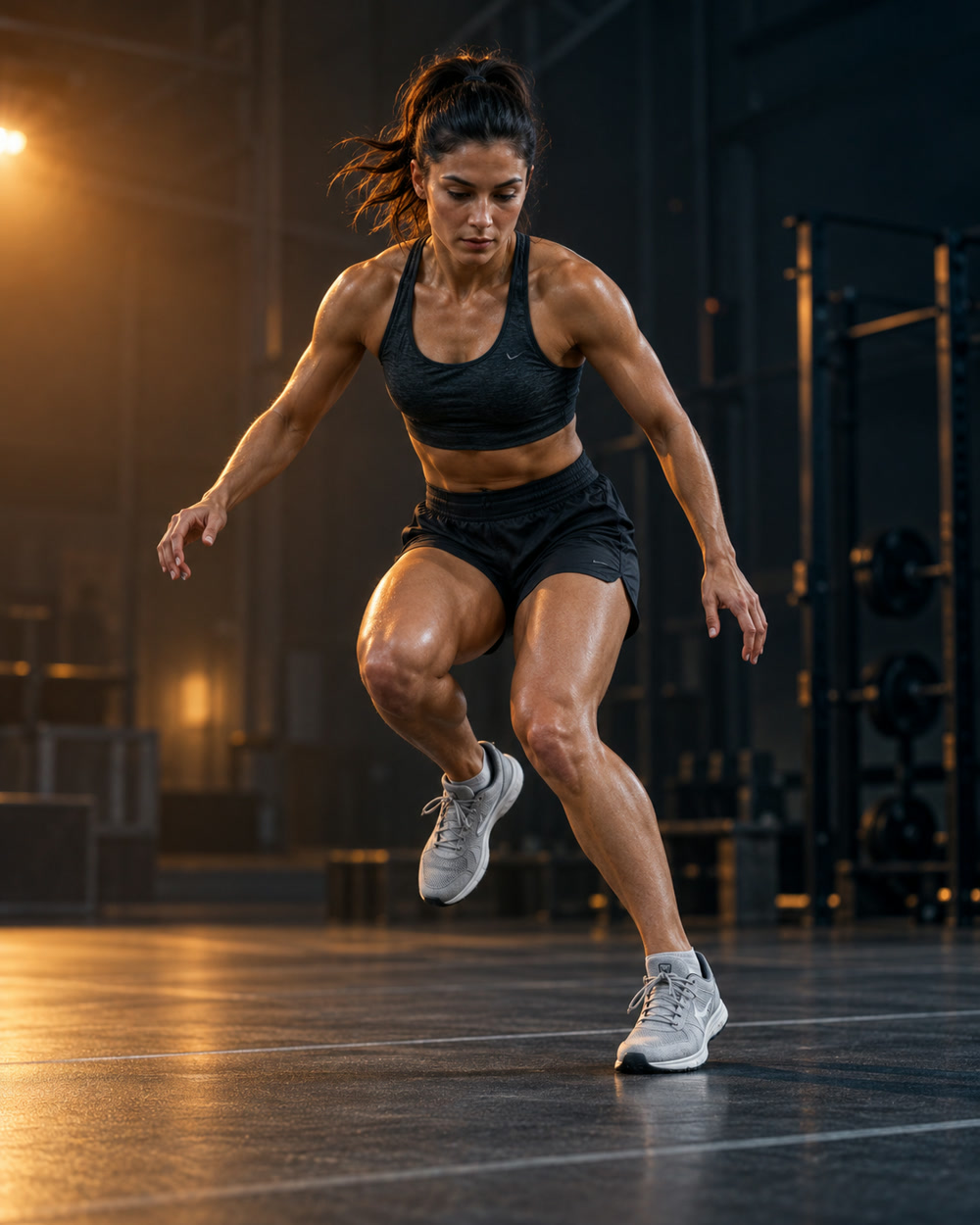
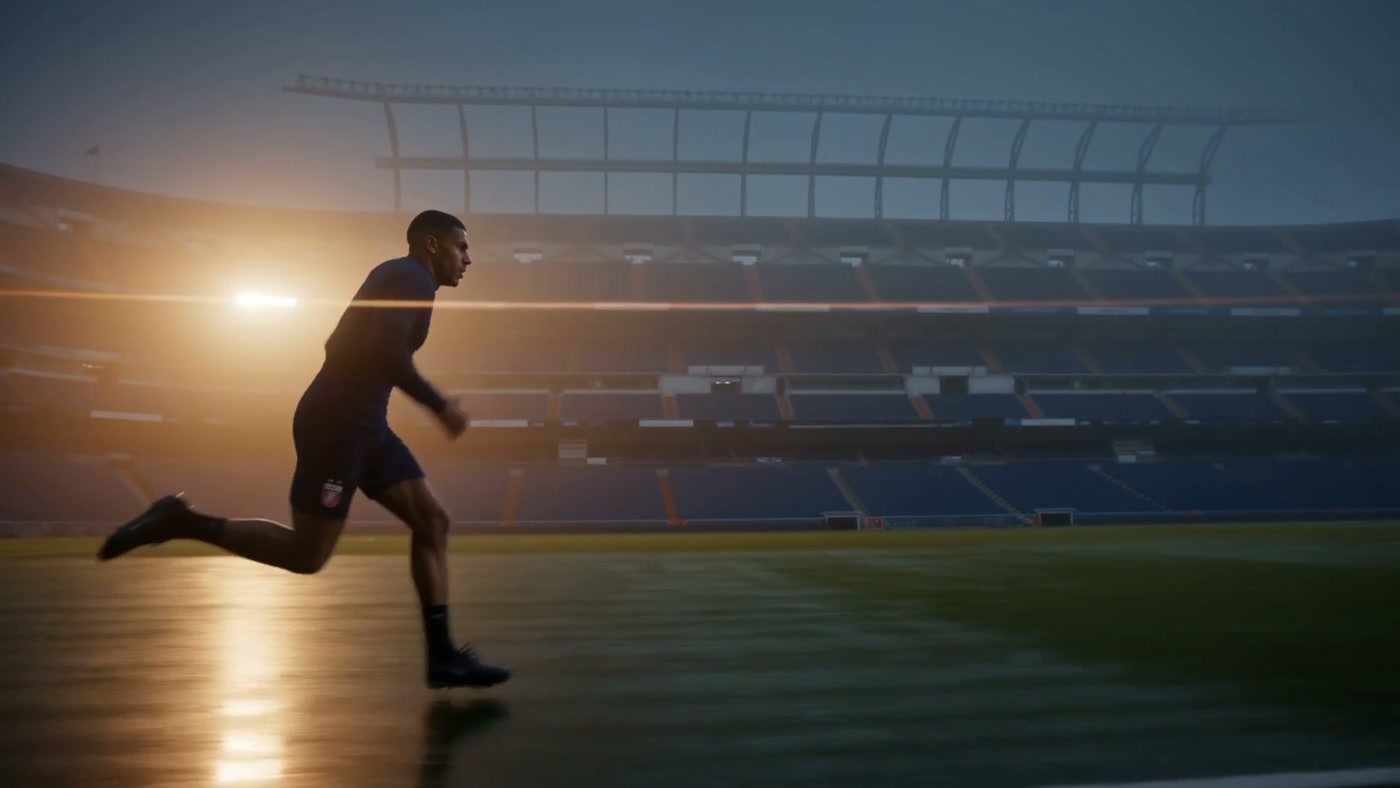
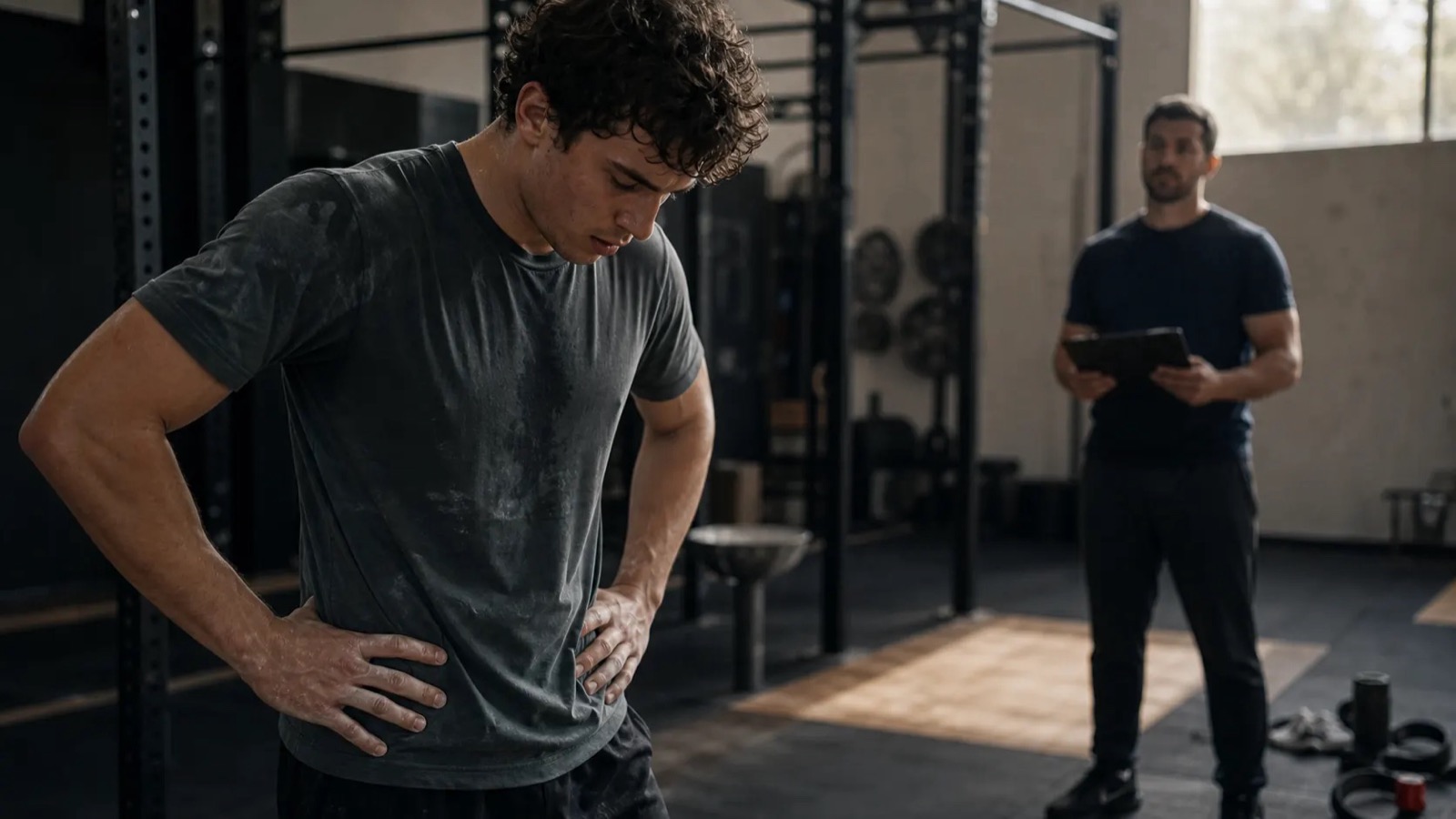
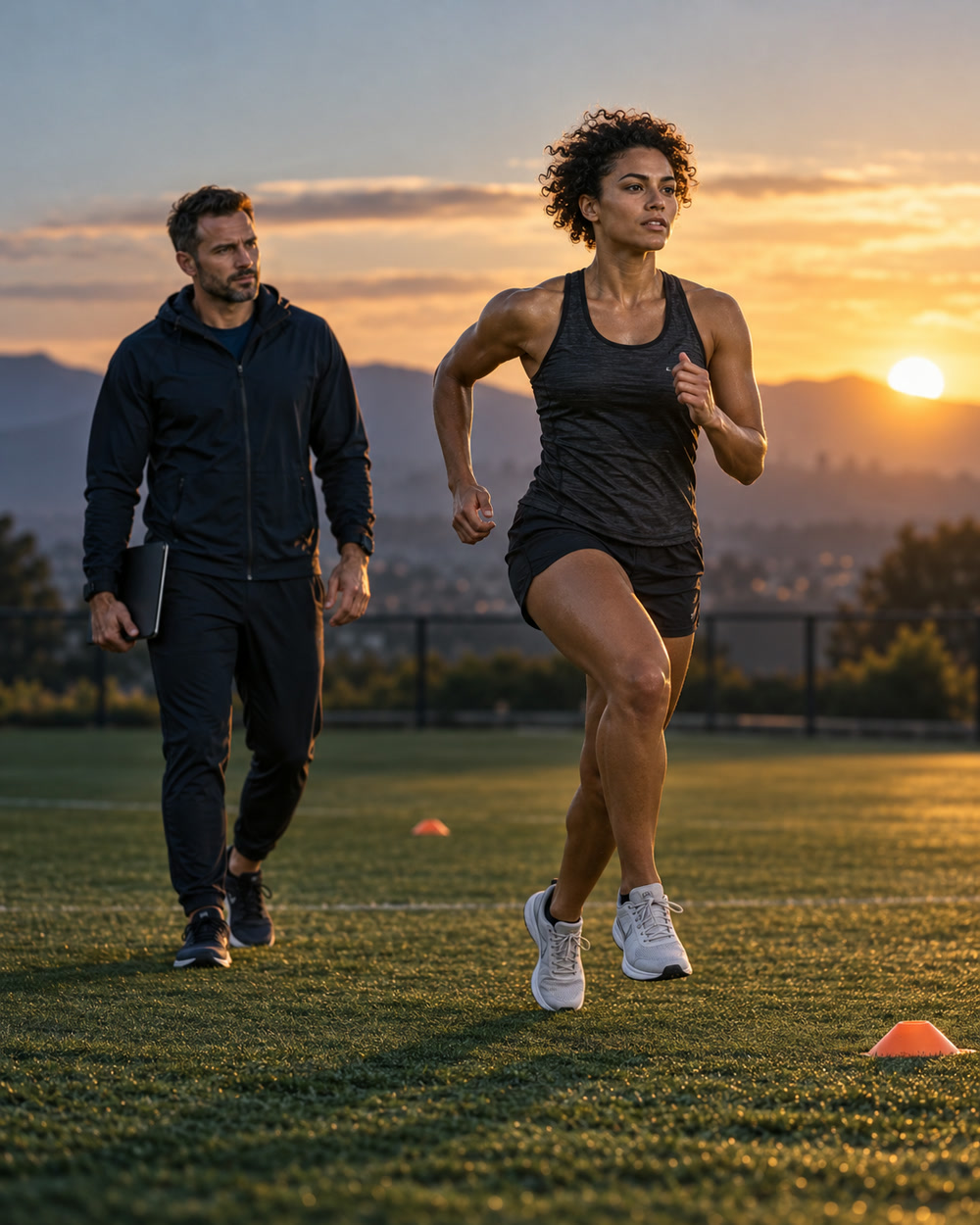
Each athlete has a movement signature. Connected insoles capture load independently for each leg, across running, sprinting and jumping.
After training, coaching and medical staff share one view of what changed, from side-to-side asymmetry to progress against the athlete’s own baseline.
Connected insoles capture three-axis load independently for each leg, across running, sprinting and jumping. The measurements cover more than 30 biomechanical parameters.
Independent measurements let staff compare left and right, follow changes in asymmetry over time and review each athlete against their own baseline.
After training, coaching and medical staff share one view of the findings. Baliston Intelligence surfaces changes under load to support their review of training, recovery and return to play.
The decision stays with the staff who know the athlete. Baliston provides measurements and a reference for comparison, including the athlete’s pre-injury movement signature.
Contact us to discuss your team’s needs across injury prevention, performance or return to play.
Request a demo
Review your details. Your request has not been sent.
To: contact@baliston-health.com